Buy company-consulting.eu ?
We are moving the project
company-consulting.eu .
Are you interested in purchasing the domain
company-consulting.eu ?
domain@kv-gmbh.de · 0541-91531010
Buy company-consulting.eu ?
How do you ride the piaffe?
Riding the piaffe requires the rider to have a strong and balanced seat, as well as a clear and independent aids. The rider must use their legs to ask the horse to maintain a rhythmic and elevated trot in place, while also using their seat and hands to maintain the horse's balance and impulsion. It is important for the rider to have a deep understanding of the horse's natural movement and to be able to communicate effectively with the horse to achieve the desired piaffe. Consistent and patient training is also essential to develop the strength and coordination needed for the horse to perform the piaffe correctly. **
How should I teach my horse the piaffe?
Teaching a horse the piaffe requires patience, consistency, and proper training techniques. Start by establishing a strong foundation in basic dressage movements and ensuring your horse is responsive to your aids. Break down the piaffe into smaller steps, such as teaching your horse to lift its legs in place and then gradually adding more steps. Use positive reinforcement, such as treats or praise, to reward your horse for correct responses. It is also important to seek guidance from a qualified dressage trainer to ensure you are using the correct techniques and to monitor your progress. **

Similar search terms for Piaffe
Top-Angebote
Products related to Piaffe:
-
L'Oréal Paris Dermo Expertise Waterproof Eye and Lip Makeup RemoverHealth and Beauty Facial Cleansing L'Oréal Paris Dermo Expertise Waterproof Eye and Lip Makeup Remover - Eye and Lip Makeup Remover. - Special Waterproof and Long Lasting. - Quick and easy makeup remover. Ultra-soft, suitable for sensitive eyes and contact lens wearers. - Removes all types of makeup, combining effectiveness and softness without a greasy effect. How to use: - Shake the bottle to mix the 2 phases and pour a few drops onto a cotton pad. - Apply to the face without rubbing or rinsing. Repeat the gesture until the cotton is perfectly clean.4,25 £*Shipping: 3,99 £Secure redirect to the provider
-
Sesderma Reti Age 5 Liposomal Serum Anti-Aging Innovation 30mLA facial serum for wrinkles and signs of ageing. Reduces wrinkles and fine lines. Hydrates and strengthens barrier. Restores youthful radiance. 5-Retinoid System: smooths wrinkles, accelerates renewal, and boosts collagen. Biomimetic Peptides: fill expression lines by stimulating collagen synthesis.53,26 £*Shipping: 5,22 £Secure redirect to the provider
-
Flythe Consulting Arika Wall Sconce Pair, Pair, Satin NickelThe Arika Wall Sconce Pair is an adaptation of old-fashioned light fixtures, with an appealing design that will complement modern decor. The lacquered solid brass sconces have 4.75 dia.x7 H clear glass hurricanes that will protect your standard...179,00 $*Shipping: 22,95 $Secure redirect to the provider




-
What is the difference between bending and piaffe?
Bending and piaffe are both movements in dressage, but they are different in their execution and purpose. Bending refers to the lateral flexion of the horse's body, where the horse is asked to flex its body around a curved line, usually in a circle or a serpentine. This helps to supple the horse's body and improve its flexibility. On the other hand, piaffe is a highly collected and elevated trot in place, where the horse lifts its legs off the ground and maintains a rhythmic, cadenced movement. Piaffe is a highly advanced movement that requires a great deal of strength and balance from the horse. **
-
What are the differences between Piaffe and Passage?
Piaffe and Passage are both advanced dressage movements performed by a horse, but they have distinct differences. The piaffe is a highly collected and elevated trot in place, where the horse lifts its legs off the ground and maintains a rhythmic, cadenced movement. In contrast, the passage is a highly collected and elevated trot with a longer stride, where the horse exhibits more forward movement and suspension. The piaffe is performed in place, while the passage has a more forward and dynamic quality. Both movements require strength, balance, and precision from the horse, but they have different characteristics and purposes in dressage. **
-
Where do Passage, Piaffe, Lateral movements, etc. occur in a horse's natural behavior?
Passage, piaffe, lateral movements, and other high-level dressage movements do not occur naturally in a horse's behavior in the wild. These movements are highly trained and refined exercises that are developed through years of training and practice. In the wild, horses may exhibit some similar movements such as trotting, cantering, and moving laterally to avoid obstacles or communicate with other horses, but the precision and collection required for dressage movements are not part of their natural repertoire. **
-
Where do passage, piaffe, lateral movements, etc. occur in a horse's natural behavior?
Passage, piaffe, lateral movements, and other advanced dressage movements do not occur naturally in a horse's behavior in the wild. These movements are highly trained and refined exercises that are taught to horses through dressage training. In their natural behavior, horses may exhibit some lateral movements for communication or evasion purposes, but they do not perform the collected and controlled movements seen in dressage. **

Where do Passage, Piaffe, lateral movements, etc. occur in a horse's natural behavior?
Passage, piaffe, lateral movements, and other advanced dressage movements do not occur naturally in a horse's behavior in the wild. These movements are developed through training and are not typically seen in a horse's natural repertoire of movements. Horses in the wild may exhibit some lateral movements for communication or evasion purposes, but the highly collected and controlled movements seen in dressage are a result of specific training techniques. **
Where do movements like Passage, Piaffe, Lateral movements, etc. occur in a horse's natural behavior?
Movements like Passage, Piaffe, and Lateral movements do not occur naturally in a horse's behavior in the wild. These movements are advanced dressage exercises that are taught and trained by humans for performance purposes. In the wild, horses may exhibit behaviors such as walking, trotting, cantering, and galloping as they move around their natural environment. **
Top-Angebote
Products related to Piaffe:
-
EISENBERG Anti-Ageing Expertise skin care setEISENBERG Anti-Ageing Expertise, , Skin Serums for Women, Everything for beautiful-looking skin in one package. The EISENBERG Anti-Ageing Expertise beauty gift set contains not one but several products to help you create or enrich your daily beauty routine and make you or your loved ones happy to get it as a gift. The set contains: Eisenberg Classique Soin Anti-Âge anti-wrinkle firming cream 50 ml Eisenberg Classique Hydra Lifting light gel-cream for intensive hydration 15 ml Eisenberg Classique Sérum Régénérant Liftant anti-wrinkle lifting serum for tired skin 7,5 ml Characteristics: a set of cosmetic products for everyday use products for deep nourishment and hydration for perfectly soft and smooth skin a treat for any woman How to use: Use every product from the cosmetic set according to the instructions.128,00 £*Shipping: 3,99 £Secure redirect to the provider
-
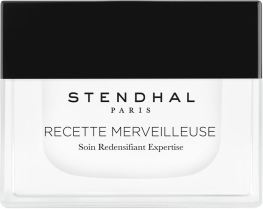
Stendhal Recette Merveilleuse Expertise Redensifying Treatment 50 mlHealth and Beauty Treatments Stendhal Recette Merveilleuse Expertise Redensifying Treatment 50 ml It is a facial treatment with a lifting effect that regenerates and fills wrinkles. This anti-aging treatment contains in its formulation a sacred tree extract with active antioxidants that soften the signs of aging marked on the face, neck and décolleté. The skin is nourished, returns to the skin comfort and firmness. specific asset Tropical tree ""Baobab"" also known as "tree of life", since in times of drought it provides highly nutritious fruit and its huge trunk can store many liters of water. ?Nourishes the skin thanks to its high content of omega 3,6, and 9 and vitamins, prevents the signs of aging, repairs sun damage?, great anti-inflammatory power, reduces redness. Benefits - The skin increases its defense capabilities against the factors that cause photoaging. - Provides a lifting effect, fills in deep wrinkles and regenerates mature skin. - Offers the skin maximum comfort and nutrition. - Provides luminosity and corrects spots. How to use Apply morning and/or night, on clean skin and after the specific serum on the face, neck and décolleté.58,99 £*Shipping: 3,99 £Secure redirect to the provider
-
L'Oréal Paris Dermo Expertise Waterproof Eye and Lip Makeup RemoverHealth and Beauty Facial Cleansing L'Oréal Paris Dermo Expertise Waterproof Eye and Lip Makeup Remover - Eye and Lip Makeup Remover. - Special Waterproof and Long Lasting. - Quick and easy makeup remover. Ultra-soft, suitable for sensitive eyes and contact lens wearers. - Removes all types of makeup, combining effectiveness and softness without a greasy effect. How to use: - Shake the bottle to mix the 2 phases and pour a few drops onto a cotton pad. - Apply to the face without rubbing or rinsing. Repeat the gesture until the cotton is perfectly clean.4,25 £*Shipping: 3,99 £Secure redirect to the provider
-
Sesderma Reti Age 5 Liposomal Serum Anti-Aging Innovation 30mLA facial serum for wrinkles and signs of ageing. Reduces wrinkles and fine lines. Hydrates and strengthens barrier. Restores youthful radiance. 5-Retinoid System: smooths wrinkles, accelerates renewal, and boosts collagen. Biomimetic Peptides: fill expression lines by stimulating collagen synthesis.53,26 £*Shipping: 5,22 £Secure redirect to the provider
-
How do you ride the piaffe?
Riding the piaffe requires the rider to have a strong and balanced seat, as well as a clear and independent aids. The rider must use their legs to ask the horse to maintain a rhythmic and elevated trot in place, while also using their seat and hands to maintain the horse's balance and impulsion. It is important for the rider to have a deep understanding of the horse's natural movement and to be able to communicate effectively with the horse to achieve the desired piaffe. Consistent and patient training is also essential to develop the strength and coordination needed for the horse to perform the piaffe correctly. **
-
How should I teach my horse the piaffe?
Teaching a horse the piaffe requires patience, consistency, and proper training techniques. Start by establishing a strong foundation in basic dressage movements and ensuring your horse is responsive to your aids. Break down the piaffe into smaller steps, such as teaching your horse to lift its legs in place and then gradually adding more steps. Use positive reinforcement, such as treats or praise, to reward your horse for correct responses. It is also important to seek guidance from a qualified dressage trainer to ensure you are using the correct techniques and to monitor your progress. **
-
What is the difference between bending and piaffe?
Bending and piaffe are both movements in dressage, but they are different in their execution and purpose. Bending refers to the lateral flexion of the horse's body, where the horse is asked to flex its body around a curved line, usually in a circle or a serpentine. This helps to supple the horse's body and improve its flexibility. On the other hand, piaffe is a highly collected and elevated trot in place, where the horse lifts its legs off the ground and maintains a rhythmic, cadenced movement. Piaffe is a highly advanced movement that requires a great deal of strength and balance from the horse. **
-
What are the differences between Piaffe and Passage?
Piaffe and Passage are both advanced dressage movements performed by a horse, but they have distinct differences. The piaffe is a highly collected and elevated trot in place, where the horse lifts its legs off the ground and maintains a rhythmic, cadenced movement. In contrast, the passage is a highly collected and elevated trot with a longer stride, where the horse exhibits more forward movement and suspension. The piaffe is performed in place, while the passage has a more forward and dynamic quality. Both movements require strength, balance, and precision from the horse, but they have different characteristics and purposes in dressage. **
Similar search terms for Piaffe
-
Flythe Consulting Arika Wall Sconce Pair, Pair, Satin NickelThe Arika Wall Sconce Pair is an adaptation of old-fashioned light fixtures, with an appealing design that will complement modern decor. The lacquered solid brass sconces have 4.75 dia.x7 H clear glass hurricanes that will protect your standard...179,00 $*Shipping: 22,95 $Secure redirect to the provider
-
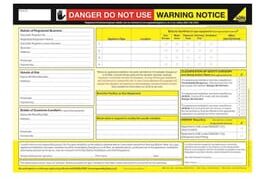
Officially Licensed Gas Safe Gas Safe® Warning Advisory Report Form - Pad of 50Our Gas Safe Premium Warning Advisory Record Pad features 50 sets of 3-part forms, now fully updated to comply with the latest Danger Do Not Use Warning Notice GSR-DDNUPAD1 regulations. These Licensed Gas Safe Premium Pads are thoughtfully designed in a landscape format, making it easier for engineers to complete records on-site. Each pad includes double covers with a writing guard, reinforced with triple stitching and binding tape for enhanced durability. The forms are individually numbered and perforated on the left-hand side, ensuring the spine remains intact when sections are removed. This pad is ideal for documenting unsafe gas appliance or installation faults, including Immediately Dangerous (ID), At Risk (AR), and Not to Current Standards (NCS) situations. Copies are provided for the gas user, the gas engineer/business, and, when necessary, the landlord.13,50 £*Shipping: 5,00 £Secure redirect to the provider
-
EmperorS4 Hanamikoji Compact Strategy Card Game for Two Players - Strategy GameA compact strategy card game set in Kyoto's Hanamikoji Street. Players compete to earn geisha favor by managing hand and making timed decisions. Designed for two players, suitable for ages 10 and up.13,79 £*Shipping: 3,95 £Secure redirect to the provider
-
Where do Passage, Piaffe, Lateral movements, etc. occur in a horse's natural behavior?
Passage, piaffe, lateral movements, and other high-level dressage movements do not occur naturally in a horse's behavior in the wild. These movements are highly trained and refined exercises that are developed through years of training and practice. In the wild, horses may exhibit some similar movements such as trotting, cantering, and moving laterally to avoid obstacles or communicate with other horses, but the precision and collection required for dressage movements are not part of their natural repertoire. **
-
Where do passage, piaffe, lateral movements, etc. occur in a horse's natural behavior?
Passage, piaffe, lateral movements, and other advanced dressage movements do not occur naturally in a horse's behavior in the wild. These movements are highly trained and refined exercises that are taught to horses through dressage training. In their natural behavior, horses may exhibit some lateral movements for communication or evasion purposes, but they do not perform the collected and controlled movements seen in dressage. **
-
Where do Passage, Piaffe, lateral movements, etc. occur in a horse's natural behavior?
Passage, piaffe, lateral movements, and other advanced dressage movements do not occur naturally in a horse's behavior in the wild. These movements are developed through training and are not typically seen in a horse's natural repertoire of movements. Horses in the wild may exhibit some lateral movements for communication or evasion purposes, but the highly collected and controlled movements seen in dressage are a result of specific training techniques. **
-
Where do movements like Passage, Piaffe, Lateral movements, etc. occur in a horse's natural behavior?
Movements like Passage, Piaffe, and Lateral movements do not occur naturally in a horse's behavior in the wild. These movements are advanced dressage exercises that are taught and trained by humans for performance purposes. In the wild, horses may exhibit behaviors such as walking, trotting, cantering, and galloping as they move around their natural environment. **
* All prices are inclusive of VAT and, if applicable, plus shipping costs. The offer information is based on the details provided by the respective shop and is updated through automated processes. Real-time updates do not occur, so deviations can occur in individual cases. ** Note: Parts of this content were created by AI.